
The Unexpected Way Olive Oil (And A Brooklyn Accent) Transformed My Life
I wasn’t expecting a personal crisis. I just wanted a salad. Nothing fancy: just juicy tomatoes, fresh cucumbers, garbanzo beans, and a little shaved parm. The kind of meal that feels light but satisfying, like you’re doing something good for yourself without trying too hard.
But when I opened the fridge, and reached for a bottle of dressing… I froze.
What even is in this stuff?
Here I was, holding a bowl of fresh ingredients—actual, vibrant food—and I was about to drown it in a mystery potion with thirty ingredients, half of which I couldn’t pronounce. It felt wrong. Like putting gas station cologne on a bouquet of fresh roses.
Without thinking twice, I tossed the bottle straight into the trash. I immediately thought of my time in Italy—how dressing meant one thing and one thing only: olive oil and balsamic. Ranch? Get outta here, I mumbled in my best Brooklyn accent. Italians don’t play that game.
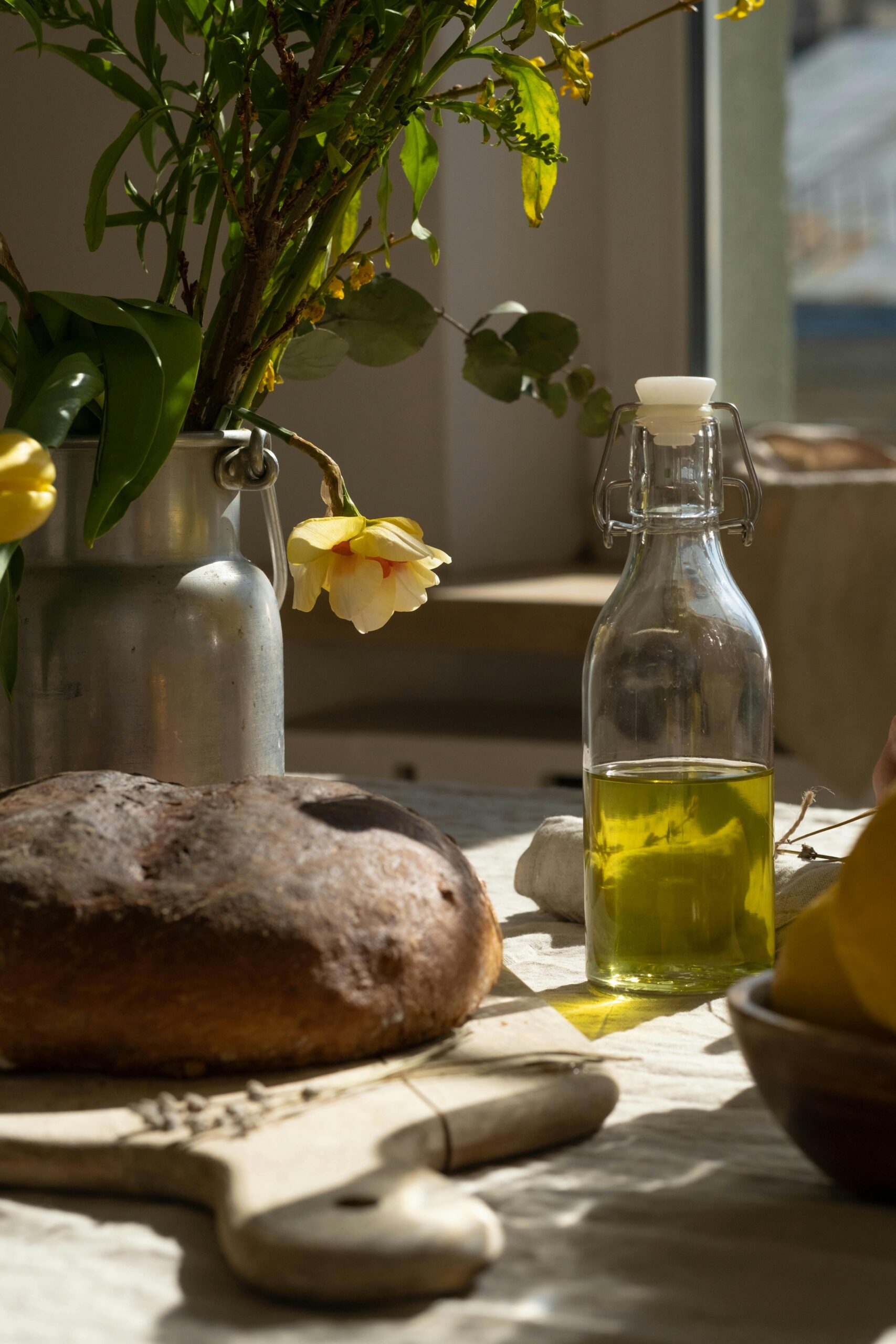
So I grabbed my bottle of olive oil—some random brand with a vaguely Italian-looking label—and then I paused again.
Wait… where does this even come from?
That was the moment it started. The obsession. The spiral. The deep, soul-searching olive oil rabbit hole I never saw coming.
I’ll admit it: I used to pick my olive oil based on vibes. A pretty bottle. A name that sounded Italian. Something that looked rustic enough to fool me into believing it was high-quality. Which is ridiculous, because I’ve been to Italy. I’ve tasted the real stuff. But somewhere between work, life, and just trying to get dinner on the table, I stopped paying attention.
But lately, I’ve been on this whole real food kick—trying to be intentional, to stop being gaslit by packaging and grocery store marketing.
Which is how I found out the hard truth: not all olive oil is created equal.
A lot of the olive oil sold in the U.S. is… well, it’s a lie. It’s often a blend—olives from multiple countries mashed together to create a “consistent flavor” and keep costs low. Sure, it’s good enough for basic cooking. But flavor-wise? Nutrient-wise? It’s the olive oil version of fast fashion. Convenient, cheap, and stripped of anything unique.
I never realized how numb it was making my taste buds.
Meanwhile, over in Italy—especially in regions like Puglia—olive oil is alive. It’s emotional. It’s a story. A love affair, even. (Okay, that may be dramatic, but if you’ve ever tasted freshly pressed Coratina olive oil, you get it.)
There, producers care about origin. They focus on single-origin or regional blends. That means the olives come from one specific place—grown under the same sun, from the same soil. They aren’t shipping olives across the world just to blend them into some mystery mash. It’s deliberate. It’s rooted. It’s art.
And let me tell you, as someone with Italian blood running through my veins, I’ve never felt so proud.
Puglia produces some of the most flavorful, nuanced oils you’ll ever taste. The Coratina olive? Bold. Peppery. Hits you right in the back of the throat—in a good way. The Ogliarola olive? Smooth, buttery, slightly nutty. Each one has its own personality, like different wine varietals.
This isn’t just “cooking oil.” It’s something you sip straight from the spoon just to savor it.
In Italy, the process from harvest to bottle happens fast. Short supply chains. Intentional timelines. Strict quality standards. This means the oil you’re getting is fresh—not months or years old by the time it reaches your kitchen. And that matters. A lot.
Because the health benefits we associate with olive oil—those magical antioxidants and polyphenols that fight inflammation and protect your heart? They break down over time. So if your oil is old, poorly stored, or overly processed, you’re not getting the good stuff. You’re just getting… oil.
So I ditched the dressings and went back to basics. And somewhere along the way, I became an olive oil snob.
Not in a pretentious way—okay, maybe a little—but mostly because I’ve tasted the difference. And I’ve felt the difference. My food tastes better. My body feels better. I feel like I’m actually honoring the ingredients I buy, instead of smothering them with something fake.
When I choose olive oil now, I know where it comes from. I know who made it. And honestly, I’d rather give my money to a family-run Italian farm that cares about tradition than a giant food corporation selling me shelf-stable lies.
That salad I was making? Yeah, it deserved better. Bottled dressings are basically lies in cute packaging—packed with junky ingredients that totally ruin the whole “look at me, I’m being healthy” moment.
So I went back to basics. Just olive oil.
🌍 Olive Varieties & What Makes Them Special
🇮🇹 Italy
- Coratina (Puglia): Bold, peppery, high in polyphenols, that “throat hit” pepperiness.
- Ogliarola (Puglia): Smooth, buttery, nutty, softer finish.
- Frantoio (Tuscany/Umbria): Balanced, fruity, slightly herbal — often the “classic” EVOO taste.
- Leccino (Central Italy): Mild, sweet, delicate, blends well with others.
- Moraiolo (Umbria): Intense, bitter, grassy — adds depth to blends.
- Taggiasca (Liguria): Small, fruity, sweet — famous in Ligurian olive oil & table olives.
- Nocellara del Belice (Sicily): Big, bright green, buttery and fruity, also used as table olives.
- Biancolilla (Sicily): Light, floral, almond finish.
- Tonda Iblea (Sicily): Aromatic, tomato-leaf notes, vibrant and complex.
🇪🇸 Spain
- Picual (Andalusia): High in antioxidants, robust, bitter, long shelf life.
- Arbequina (Catalonia): Mild, buttery, almondy, sweet finish, low bitterness.
- Hojiblanca (Andalusia): Green, grassy, balanced bitterness & spice.
- Cornicabra (Central Spain): Peppery, slightly bitter, excellent for cooking.
- Manzanilla: Mostly table olives, but fruity, light oil when pressed.
🇬🇷 Greece
- Koroneiki: “Queen of olives,” small but packed with flavor, grassy, fruity, long shelf life.
- Kalamata: Mostly known as table olives, but oil is fruity, rich, slightly wine-like.
- Tsounati (Crete): Sweet, mild, low bitterness.
🇹🇷 Turkey
- Memecik (Aegean): Fruity, balanced, golden oil with herbal notes.
- Ayvalık: Gentle, sweet, mild oil with floral hints.
🇹🇳 Tunisia
- Chemlali: Fruity, delicate, light, often blended.
- Chetoui: Robust, peppery, higher polyphenols.
🇫🇷 France
- Picholine: Peppery, herbal, slightly bitter — both oil and table olives.
- Salonenque: Mild, sweet, fruity.
- Aglandau (Provence): Strong, green, artichoke-like, peppery.
🇵🇹 Portugal
- Galega: Delicate, floral, fruity, light-bodied.
- Cobrançosa: Green, herbal, slightly spicy.
🇲🇦 Morocco
- Picholine Marocaine: Fruity, tangy, versatile for both table and oil.
🌍 Beyond the Mediterranean
- Mission (USA/California): Developed by Spanish missionaries, mild, nutty, slightly fruity.
- Barnea (Israel): Fruity, smooth, easy-drinking style.
- Koroneiki (Australia/Chile imports): Widely grown outside Greece now, producing grassy, bright oils.
Quick Pairing Guide
- Peppery & Robust (Coratina, Picual, Koroneiki, Moraiolo): Best for drizzling, hearty dishes, grilled meats.
- Smooth & Buttery (Ogliarola, Arbequina, Biancolilla, Leccino): Great for salads, fish, lighter foods.
- Unique & Aromatic (Taggiasca, Tonda Iblea, Nocellara, Picholine): Perfect finishing oils, bread dipping, vegetables.
🥄 How to Taste Olive Oil Like an Expert
Most people drizzle olive oil on food without ever really tasting it. But just like wine, every olive oil has layers — fruitiness, bitterness, and pepperiness — and once you know what to look for, you’ll never settle for a bland bottle again.
The Tasting Ritual
- Pour a little into a small cup. About a tablespoon. Professionals often use dark blue glasses so the color doesn’t influence them, but at home, any cup works.
- Warm it in your hands. Cover the top with your palm and swirl gently. Your body heat releases aromas.
- Smell first. Fresh olive oil should smell alive — like green grass, tomatoes, artichokes, or even apples, depending on the variety. If it smells flat, waxy, or like crayons? It’s probably old or poor quality.
- Sip (yes, straight!). Take a small slurp, pulling in a bit of air. It feels silly, but aerating spreads the oil across your tongue so you catch all the notes.
- Notice the balance. Good oils hit three places:
- Fruitiness: That first impression of green or ripe fruit.
- Bitterness: A pleasant, sharp taste on the tongue.
- Pepperiness: That little burn or cough in the throat.
What the Cough Means
That peppery kick is actually a sign of polyphenols, the powerful antioxidants that make olive oil so good for you. A fresh, high-quality oil will almost always have some bite at the back of your throat.
👉 Try it with different varietals: a bold Coratina from Puglia might make you cough once or twice, while a buttery Arbequina from Spain will slide down smooth.
🛒 How to Shop Smart for Olive Oil
The grocery store aisle can feel like a marketing minefield. Pretty bottles, “Italian-sounding” names, and vague terms can trick even seasoned cooks. Here’s how to cut through the noise:
1. Look for the Harvest Date
- “Best before” dates don’t tell you when the oil was actually made.
- The fresher, the better: ideally within the last 12–18 months.
2. Origin Matters
- Single-origin or estate-grown oils (like “Tuscany,” “Puglia,” “Andalusia”) usually mean higher quality and traceability.
- Labels like “Packed in Italy” can be misleading — the olives might come from all over the world and just get bottled in Italy.
3. Read the Label Like a Detective
- ✅ “Extra Virgin” (always)
- ✅ Specific region or farm name
- ✅ Dark glass bottle (protects freshness)
- 🚫 “Pure Olive Oil” or “Light Olive Oil” — these are processed, stripped oils.
- 🚫 Vague phrases like “Mediterranean blend” without details.
4. Trust Your Senses
- Fresh oil smells vibrant and green.
- If it smells flat, musty, or like crayons — it’s probably rancid.
5. Don’t Be Fooled by Price Alone
- Cheap oils are usually blended, old, or low-quality.
- But expensive doesn’t always mean authentic — fancy packaging can hide average oil.
- Best bet: support family-run farms or trusted importers who care about origin.