7 Reasons Seed Oils Destroy Your Trust in Food
I don’t know about you, but lately, my social media feed has been personally victimizing me with food conspiracy theories, and the worst offender? Seed oils. Apparently, they’re in everything.
I was just scrolling on social media when suddenly I found myself knee-deep in a thread about how the very oil I had been cooking with for years was slowly ruining my body. It was like one of those moments when you find out a celebrity you loved is actually a terrible person. My entire pantry turned into a crime scene.
At first, I told myself, This is fine. I can fix this. Cutting out seed oils seemed like a reasonable place to start my so-called health journey. No extreme diets, no counting anything—just one simple swap. No canola oil, no vegetable oil. Just good old-fashioned, grandmother-approved fats.
I was so naïve.
It started off easy enough. I swapped my cooking oil for olive oil and avocado oil and felt impossibly smug about it. Then I made the mistake of flipping over a few ingredient labels, just out of curiosity. That’s when things spiraled.
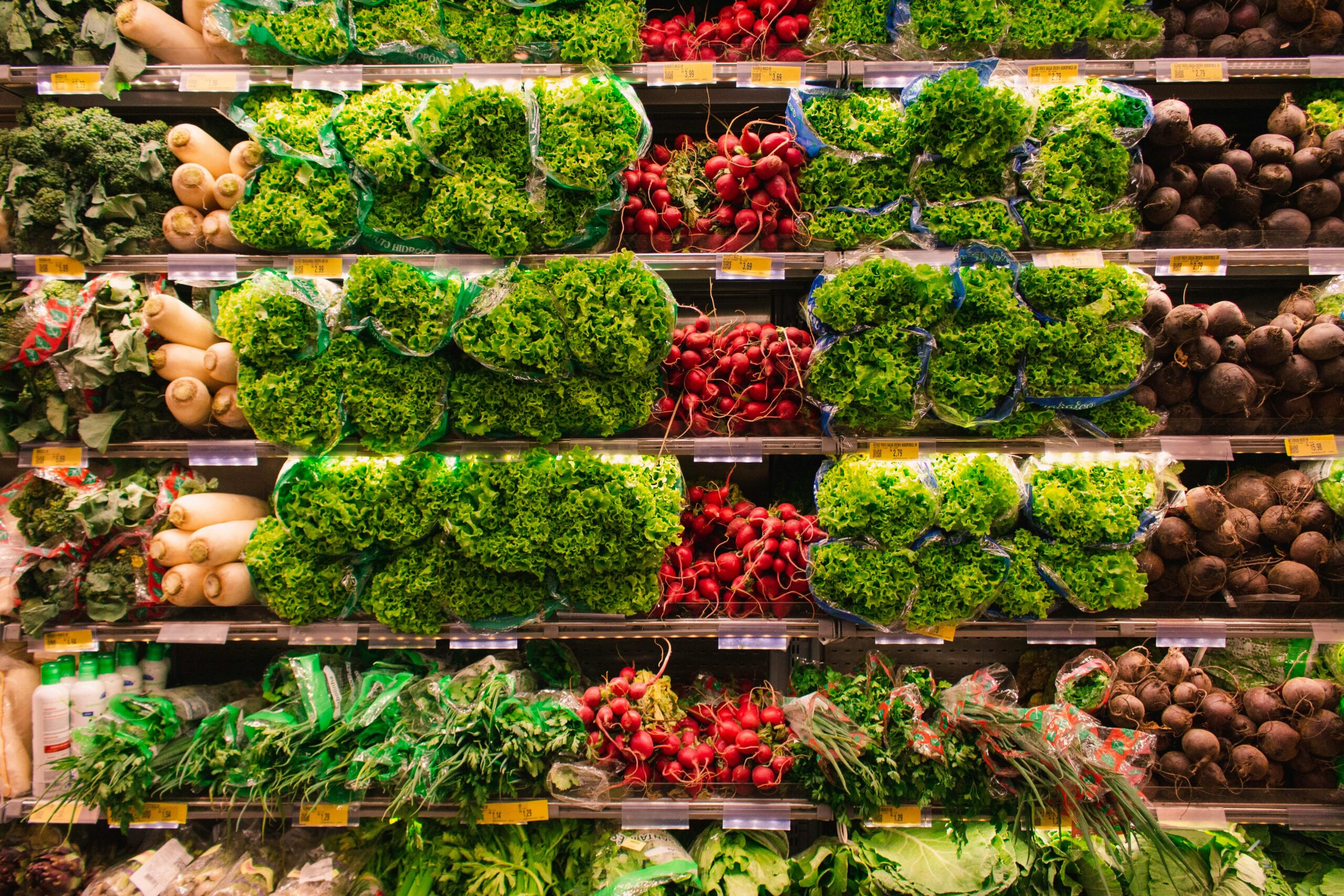
Bread. Salad dressing. Hummus. Nut butters. Even the healthy granola bars I had been eating for years. Everything, and I mean everything, contained some form of canola, soybean, or sunflower oil. I stared at the shelves in disbelief, realizing I had been marinating in inflammation for most of my life.
The guilt hit me like a runaway shopping cart.
For years, I had been frying my beloved supplì, my crispy chicken cutlets, and every comfort meal I ever made in vegetable oil, completely unaware that I was basically deep-frying my insides. I had thought vegetable oil sounded healthy—because, you know, vegetables. But no, that was a lie. A big, industrial, multi-billion-dollar lie.
I had to know more. What was it about seed oils that made them so bad? Why were they in everything? Why did I suddenly feel like I had been betrayed by my own kitchen?
So, I did what any rational person does when faced with food existentialism—I Googled obsessively for hours.
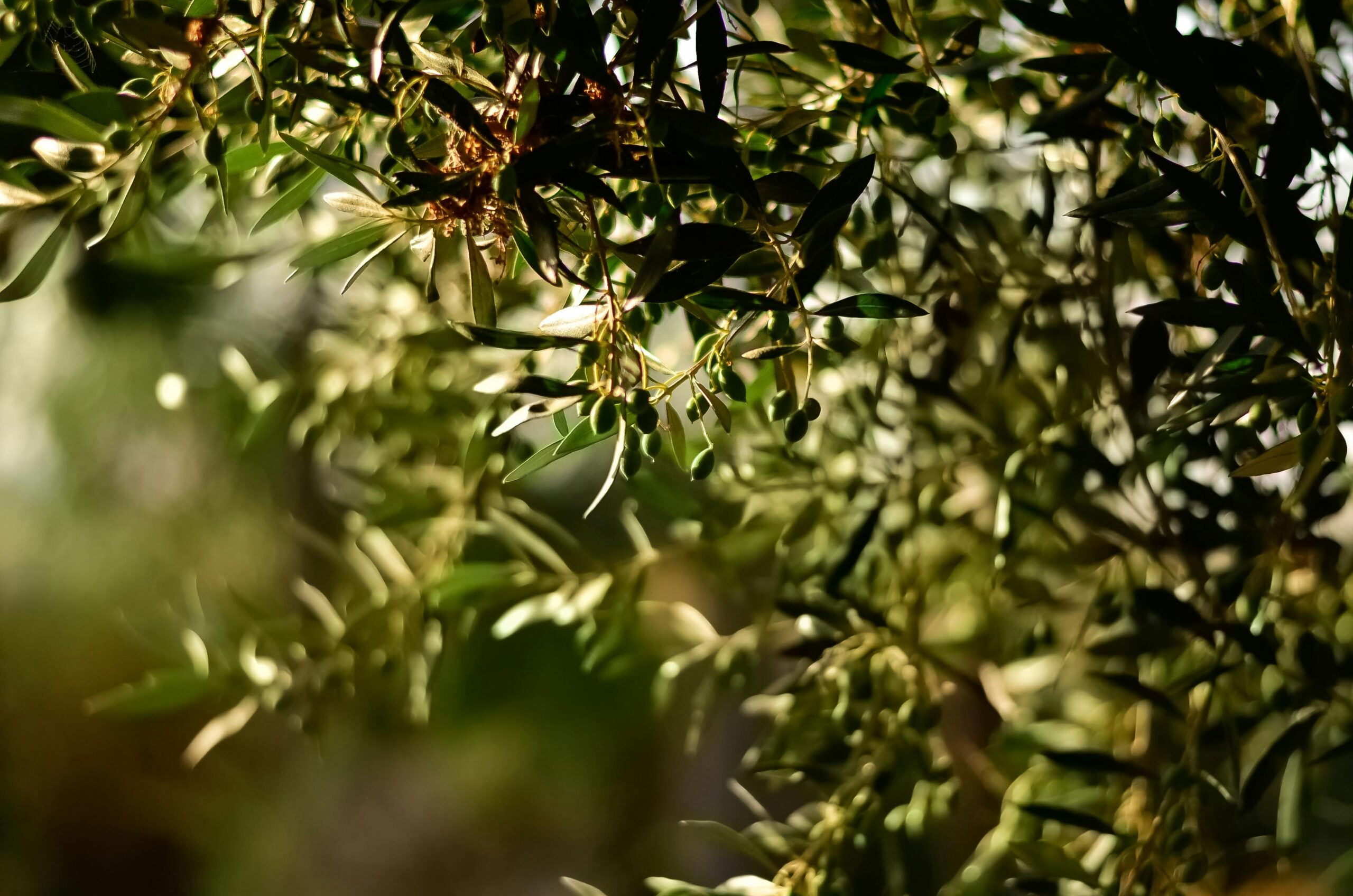
The first punch to the gut? Seed oils aren’t even real food. They don’t just squeeze the seeds and bottle up the oil like they do with olives. No, that would be too simple. Instead, they blast the seeds with extreme heat, drown them in chemical solvents (which, by the way, are often byproducts of gasoline), and then deodorize the oil because, in its natural state, it smells disgusting.
And we eat this. Every day. In everything.
The second punch? They are wrecking our health from the inside out. I won’t pretend to be a scientist, but here’s what I learned in the simplest terms: seed oils are packed with omega-6 fatty acids, which wouldn’t be a problem if we ate them in normal amounts. But we don’t. They’re in practically every processed food, which means we’re drowning in omega-6, and too much of it leads to chronic inflammation. The kind that doesn’t just make you bloated, but the kind that’s linked to heart disease, obesity, diabetes, autoimmune disorders, and brain fog.
The final blow? They turn toxic when heated. Every time I had happily dunked something into my pan of vegetable oil, thinking I was just making a nice crispy meal, I was actually creating toxic compounds that damage cells, speed up aging, and—oh yeah—are linked to cancer.
I had been poisoning myself. My family. My friends who came over for dinner. I had been the problem.
I took a deep breath. Then another. And then I did what any normal person would do when faced with this information: I spiraled. I considered setting my pantry on fire and starting over. I contemplated writing apology letters to my arteries. Instead, I settled for aggressively throwing out every bottle of vegetable oil and swearing off processed food like I had just joined a secret wellness cult.
But then reality set in. This wasn’t going to be easy.
I had gone into this thinking it would be a simple swap—one little change to feel better. Instead, I had walked straight into a major life overhaul. Because once you start actually reading ingredient labels, you can’t unsee it. You can’t pretend you don’t know that even your “healthy” grocery store finds are laced with garbage. And worst of all, you can’t go back to blissfully enjoying your food without questioning what’s actually in it.
I wish I could tell you I had it all figured out. That I’ve seamlessly transitioned to a perfect, seed oil-free life. But honestly? It’s a work in progress.
But here’s what I do know: I feel better. And not in a “Oh, my body is a temple” kind of way, but in a “Hey, I actually have energy and my stomach isn’t constantly bloated” kind of way. My food tastes better. My kitchen smells better. And somehow, the simple act of choosing better ingredients has made me feel more connected to the way food is supposed to be.
So, if you see me in the grocery store, aggressively reading labels and sighing, just know—I’m in the middle of my healing era.
And if you’re wondering if you should ditch seed oils too? The answer is yes. Immediately. But fair warning: what seems like a small change might just turn into a full-blown awakening. And once you know, you can’t un-know.
The 7 Reasons Seed Oils Destroyed My Trust
1. They Hide in “Healthy” Foods
The betrayal starts here. Foods that are marketed as healthy — hummus, crackers, “light” dressings, even some oat milks — often have seed oils hiding inside. Canola, soybean, sunflower: they’re the uninvited guests at every party.
It’s frustrating because the Mediterranean diet has taught us that health doesn’t need to be complicated. Fresh vegetables, legumes, whole grains, fish, and olive oil. Yet here we are, staring at shelves lined with products wearing health halos while their ingredient lists tell a different story.
That “Mediterranean” hummus in the fridge section? Chances are it’s blended with canola instead of extra virgin olive oil. And it stings because the very foods that should connect us to wellness are quietly undermining it.
Tip: Always check labels. If you see soybean oil, canola oil, cottonseed oil, or anything called vegetable oil, you’ve found a seed oil.
2. They Go By Confusing Names
Seed oils are like shape-shifters. Sometimes it’s rapeseed, sometimes safflower, sometimes just “vegetable oil.” And sometimes, it’s a blend where you’re not even told the percentages.
If you’ve ever grocery-shopped in a rush — maybe after work, maybe with kids reminding you you’re out of milk — you know you don’t always have time to decode every label. That’s where trust starts to erode. Why so many disguises? Why not just call it what it is?
Compare that to olive oil. It doesn’t need aliases. Extra virgin olive oil is exactly what it says it is: juice pressed from olives. Transparent, simple, honest.
Tip: If an oil doesn’t proudly say extra virgin olive oil or avocado oil, assume it’s a seed oil blend.
3. They’re in Almost Every Restaurant Meal
Here’s where the trust issues follow you out of your kitchen. Even when you’re not cooking, seed oils find you. Most restaurants — from fast food to fine dining — rely on them because they’re cheap, shelf-stable, and easy to buy in bulk.
That dreamy Greek salad you ordered? Probably tossed in soybean-based dressing. The roasted veggies that sound so clean? Likely drizzled in canola. Even “better-for-you” grain bowls often use sunflower oil to keep costs down.
Unless you’re at a true Mediterranean restaurant where they proudly announce they cook with extra virgin olive oil, you have to assume seed oils are on the plate. Which means eating out becomes less about enjoyment and more about guesswork.
Tip: If you want to avoid seed oils at restaurants, ask how they cook. Better yet, look for menus that specifically mention olive oil — that’s a sign of care and authenticity.
4. They Oxidize Easily
Here’s the science part — but I promise, quick and simple. Seed oils are high in polyunsaturated fatty acids (PUFAs), and while that might sound fancy, it basically means they’re more delicate than other fats. These fatty acids are unstable when exposed to heat, light, and air. So when you fry or cook with them at high temps (think french fries, fried chicken, packaged chips), they break down and oxidize.
Why does that matter? Because oxidation doesn’t just make the oil rancid faster — it creates reactive compounds like aldehydes and lipid peroxides. These aren’t things you want floating around in your body. Studies have linked these byproducts to inflammation, oxidative stress, and even disruptions at the cellular level. Inflammation, as you’ve probably heard, is tied to everything from joint pain to cardiovascular disease.
So the problem isn’t just that you’re eating a potato or a chip fried in oil — you’re also eating the leftovers of a chemical reaction that happened in the fryer. Those golden fries might look like perfection on the outside, but at the molecular level, the oil is already damaged, and you’re taking that damage in with every bite.
Now, compare that to extra virgin olive oil. It’s rich in monounsaturated fats (more stable than PUFAs) and packed with natural antioxidants like polyphenols and vitamin E. These compounds actually help fight oxidative stress rather than add to it. That’s why people in the Mediterranean have been frying, roasting, and drizzling with olive oil for thousands of years — it doesn’t carry the same baggage.
Does that mean olive oil never oxidizes? Of course not. Any oil will eventually degrade if abused (super high heat, old fryers, exposure to light and air). But olive oil starts with such a rich shield of antioxidants that it’s far more resilient than your average bottle of soybean or canola oil.
And here’s the kicker: the Mediterranean diet, which has olive oil at its core, consistently shows lower rates of chronic disease, reduced inflammation markers, and better overall health outcomes. Meanwhile, seed oils don’t have that centuries-long track record — they’re modern, industrial oils, and their rise in our food system lines up with the rise of processed food. Coincidence? I’ll let you decide.
Tip: Swap fried snacks for roasted chickpeas or oven-roasted potatoes tossed in olive oil. You’ll get the crunch without the oxidized oil load.
5. The Marketing Doesn’t Match the Reality
This is the part that really feels like betrayal. Packaging screams “cholesterol-free!” “low in saturated fat!” as if those buzzwords are the ultimate markers of health. But they don’t tell you the rest of the story — that the oils have been refined, bleached, deodorized, and processed before they ever hit the shelf.
It’s the mismatch between the marketing and the reality that erodes trust. It’s like being promised a Mediterranean feast and being handed a frozen pizza.
Meanwhile, olive oil barely needs marketing. Its benefits are proven, its tradition is rich, and its flavor speaks for itself. But olive oil isn’t the cheap, mass-produced option, so it doesn’t dominate the shelves.
Tip: Be wary of health claims that focus only on cholesterol or fat content. Always flip the label and look at the oil source.
6. They Crowd Out Better Oils
One of the saddest things for me is walking through stores here in the U.S. and seeing olive oil pushed to the side while seed oils dominate the shelves. They’re in everything from chips to breads to sauces. It’s not just about the oil — it’s about the loss of tradition, the crowding out of time-tested, flavorful, nourishing oils like olive, avocado, or coconut.
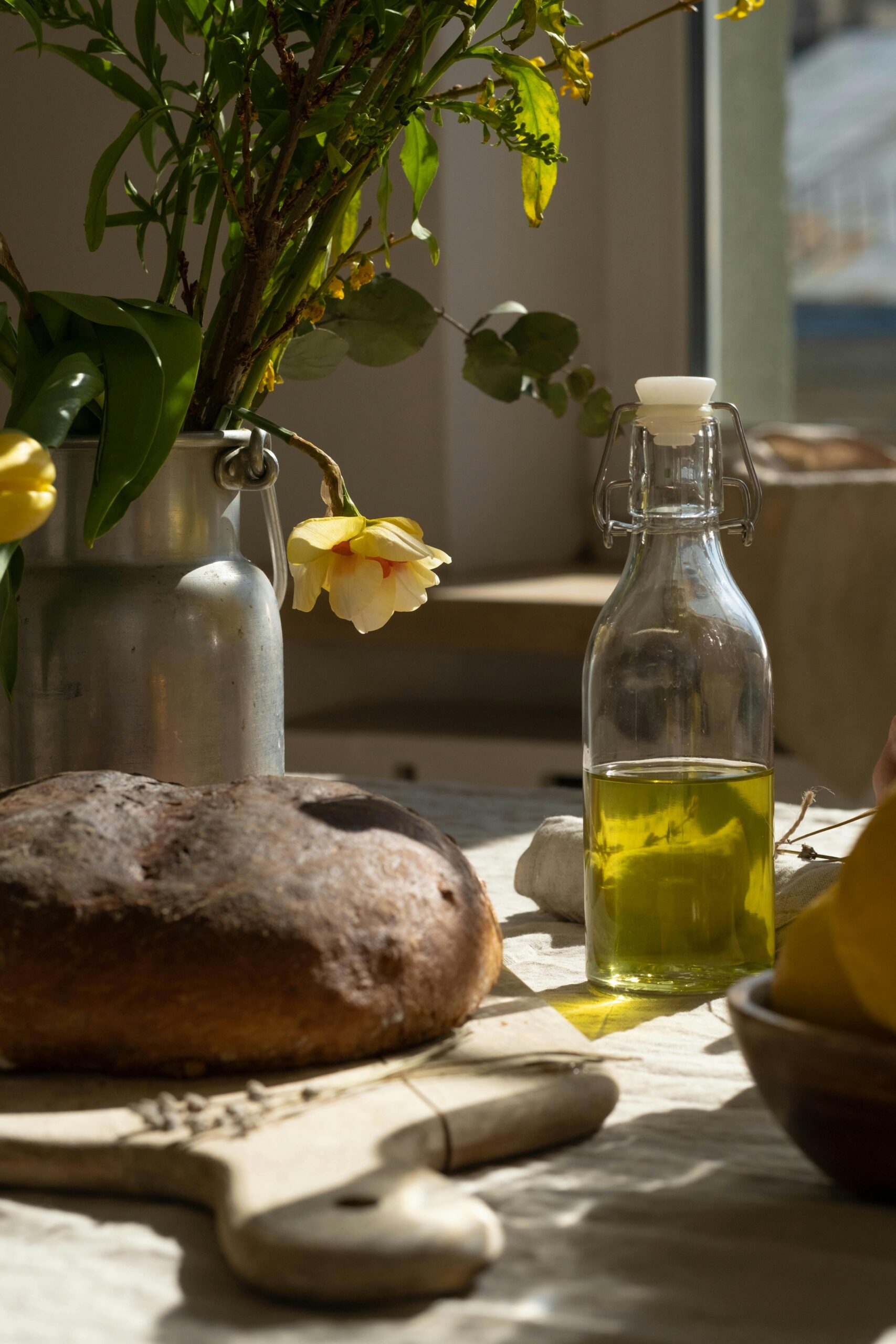
Growing up with Italian roots, olive oil wasn’t just an ingredient — it was culture. It was poured over bread, swirled into pasta, or drizzled over beans and tomatoes. Every meal had its splash of liquid gold. To see it sidelined by oils that have only been around for a century feels wrong.
Tip: Stock your pantry with Mediterranean staples — extra virgin olive oil, olives, nuts, fresh herbs. These are the oils and fats people have thrived on for centuries.
7. They Make You Feel Duped
This is where the trust issues settle in. Once you start spotting seed oils, you can’t stop. They’re in crackers, breads, protein bars, “artisanal” snacks, even some so-called “clean” products with Instagram-worthy packaging.
And every time you catch it, you feel betrayed. It’s not just about avoiding the oil itself — it’s about realizing how casually it’s slipped into everything, as if no one expected you to notice. Suddenly, every shopping trip feels like detective work.
Compare that to a trip through a Mediterranean market. Tomatoes, herbs, cheeses, fish, olives, fresh bread — all out in the open, no fine print needed. That’s food you can trust.
Tip: If you feel overwhelmed, shop the perimeter of the grocery store — produce, seafood, butcher, dairy. That’s where the least processed, least seed-oil-laden foods live.
Olive Oil Doesn’t Play That Game
Now let’s look at olive oil, the heart of the Mediterranean table. Olive oil is built differently. Instead of being overloaded with fragile polyunsaturated fats like seed oils, olive oil is rich in monounsaturated fats — fats that are stable, reliable, and resilient. Even better, olive oil comes packed with natural antioxidants like polyphenols and vitamin E, compounds that actually fight oxidation instead of fueling it.
That’s why people in the Mediterranean have been sautéing, roasting, and drizzling with olive oil for thousands of years without the baggage that comes with seed oils. Olive oil doesn’t just survive the heat — it brings along protective compounds that keep it stronger for longer.
And this isn’t just tradition or nostalgia talking. Study after study on the Mediterranean diet shows lower inflammation, better heart health, and longer lives in communities that build their meals around olive oil. Seed oils, on the other hand, have no centuries-long track record of health. They only entered the food system in the past hundred years, mostly as cheap byproducts of industrial agriculture. Their rise parallels the rise of processed foods — and the rise of chronic disease.
So yes, this is the reason seed oils get such a bad reputation. They’re unstable, they’re reactive, and they don’t belong at the center of a diet that’s supposed to nourish you. The science may sound technical, but the bottom line is simple: when seed oils break down, so does trust.
The Mediterranean way of eating has always been about transparency: fresh ingredients, simple meals, olive oil flowing like water. There’s no need for smoke and mirrors. Seed oils, on the other hand, thrive in the shadows — hidden on labels, blended into foods, fried in kitchens you can’t see.
And that’s why they’ve left me with trust issues. Not just with oils, but with the food industry itself. Because if the very products that claim to be healthy are loaded with them, what else are we being asked to overlook?
The good news: trust can be rebuilt. It starts small — one real ingredient at a time. A drizzle of olive oil instead of canola. A homemade dressing instead of store-bought. A return to food that doesn’t need disguises. That’s the Mediterranean way.