Authentic Cacio e Pepe Recipe – Irresistibly Simple Roman Pasta
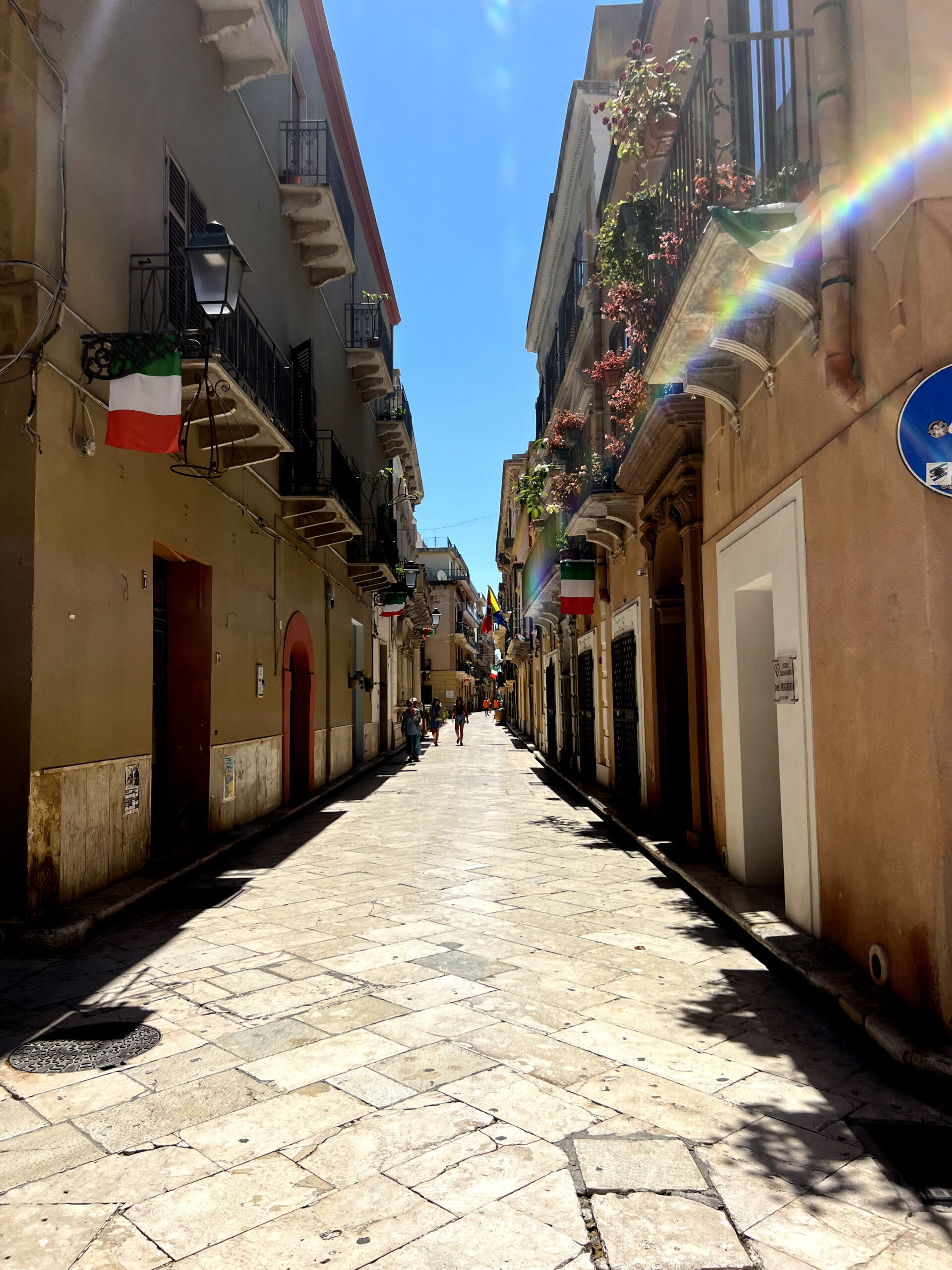
I still remember the first time I had authentic Cacio e Pepe in Rome. Not in some glossy restaurant with a white tablecloth, but in a tiny trattoria tucked on a cobblestone street where the tables nearly brushed shoulders. The kind of place where the windows fog up from the kitchen steam and the air smells like pepper and history. Rome does that to you—it takes something simple, places it in front of you, and suddenly it feels like a revelation.
The waiter set down a bowl that looked deceptively plain. Just pasta, glossy and golden, tangled in the simplest sauce I’d ever seen. No herbs, no garnish, no frills. But the first bite told another story. The sharp saltiness of Pecorino Romano, the warmth of cracked black pepper that bloomed on my tongue, and that silky sauce binding it all together. It wasn’t just pasta. It was centuries of tradition on a fork. It was the memory of shepherds carrying cheese and pepper into the Roman hills, a survival meal that somehow found its way to my table dressed like elegance; Authentic Cacio e Pepe.
From Shepherd’s Meal to Roman Icon
Authentic Cacio e Pepe translates to “cheese and pepper,” which, on paper, sounds like a sad snack you might throw together when your fridge is empty. But in Rome, those two ingredients are more than enough. Long before tourists like me ever wandered the streets with guidebooks, shepherds in the Lazio countryside carried blocks of Pecorino Romano and bags of black pepper with them. Cheese was durable, pepper kept well, and together they transformed dried pasta into sustenance. When you’ve been herding sheep all day, a hot plate of pasta with cheese and pepper is about as close as you get to a Michelin-star moment. What started as humble survival food became one of the crown jewels of Roman cuisine.
And let’s pause here for the cheese. Pecorino Romano is not just any cheese. It’s a sharp, salty, almost brash sheep’s milk cheese that doesn’t ask for permission—it just shows up and takes over. It’s been produced for over 2,000 years, even mentioned by Roman writers like Pliny the Elder. Roman soldiers carried it into battle for energy, which makes sense because one bite still feels like it could fuel an army. Pair it with black pepper, which was once so prized in ancient Rome it was used as currency, and you’ve got a flavor profile that is bold, unapologetic, and deeply Roman. This is what makes Cacio e Pepe so special.
The Alchemy of Cheese, Pepper, and Pasta
What makes Cacio e Pepe magical is not the ingredients themselves, but the alchemy of how they come together. It’s a dish that looks simple but refuses to be easy. You can’t just dump cheese on pasta and call it a day. No, you need to coax the cheese into becoming creamy instead of clumpy, you need the right amount of starchy pasta water, and you need pepper toasted just enough to bloom its fragrance without burning. Too much water and you’ve got soup. Too little and you’ve got a gluey mess. It’s kitchen choreography, a balancing act that Roman grandmothers will tell you is instinct, not science.
That first bowl taught me something important: Cacio e Pepe isn’t trying to impress you. It doesn’t need basil confetti or truffle oil distractions. It dares you to appreciate restraint, to find luxury in simplicity. In a city full of art and monuments where every corner feels heavy with history, this dish is its edible version of the Colosseum. Strong, enduring, stripped back to essentials, yet still breathtaking centuries later.
I left Rome with a suitcase full of laundry and cheap souvenirs—magnets, keychains, a questionable leather belt from a street vendor—but this dish stayed with me long after. Because the truth is, food in Italy isn’t just food. It’s history, geography, philosophy, and family rolled into one. When you eat Cacio e Pepe, you’re eating a story that began on Roman hillsides with shepherds and somehow made it into trattorias where tourists and locals sit elbow to elbow.
There’s also something about the way it gets served in Rome that adds to the charm. No one makes a production out of it. The waiter doesn’t hover with explanations or sprinkle microgreens on top. The bowl lands on the table with the quiet confidence of a dish that doesn’t need applause. It just is. You twirl, you taste, and suddenly you understand why Romans fight over who makes the best one. Ask five locals and you’ll get five heated recommendations, each sworn to be the “only authentic Cacio e Pepe” version. Try to argue, and you’ll learn quickly that Romans take their pasta as seriously as politics.
The memory that stays with me is how communal it all felt. At the table next to me, two older men were loudly debating football over their bowls, pepper dust floating into the air between them. At another, a young couple leaned in close, eating silently, like the pasta had hypnotized them. My own table was cramped, my knees practically touching the strangers beside me, and yet it didn’t feel awkward. That’s Rome. It folds you into its rhythm, reminds you that meals are meant to be shared, that food is not just sustenance but connection.
Back home, I tried to recreate it, of course. Armed with Pecorino Romano, freshly cracked pepper, and good spaghetti, I stood in my kitchen convinced I could summon Rome onto a plate. I learned quickly that Cacio e Pepe humbles you. The first attempt was clumpy, a cheese-and-water breakup that slid sadly off the fork. The second time, too soupy. The third time, closer, but still missing that Roman magic. And that’s when it hit me—maybe the magic isn’t just the technique. Maybe it’s the trattoria itself: the clatter of plates, the history seeping from the walls, the laughter of strangers squeezed together, the Roman air thick with pepper.
The Timeless Lesson of Cacio e Pepe
Still, every time I make it now, I think of Rome. I think of how a city with fountains, palaces, and ruins that stop you in your tracks still manages to impress you with a dish made of only three ingredients. It’s a lesson I carry beyond the kitchen: that sometimes restraint is the bravest choice, that less really can be more, and that beauty doesn’t always need embellishment.
Cacio e Pepe taught me that the most unforgettable meals are often the quietest ones—born not from excess, but from patience, memory, and balance. Three ingredients, a little practice, and you’re suddenly part of a story that started long before you ever arrived in Rome. It’s a dish that insists you slow down, that you taste each bite as though it matters, because it does. When the pepper blooms and the cheese melts into silk, when the pasta water does its magic trick and everything clings together just right, you realize you’re not just eating pasta. You’re eating Rome itself: bold, enduring, and timeless.
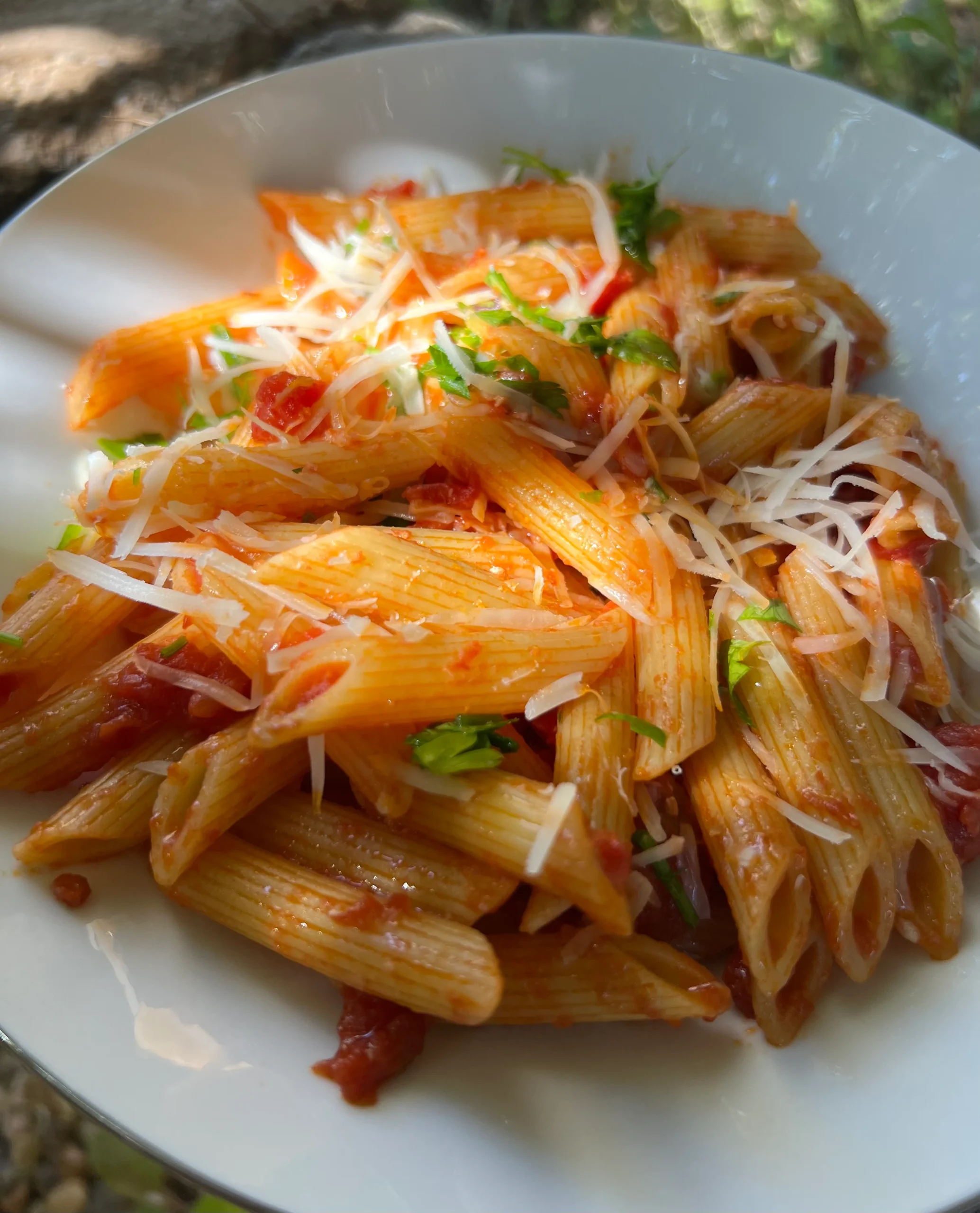
If you like this recipe, try Penne all’Arrabbiata
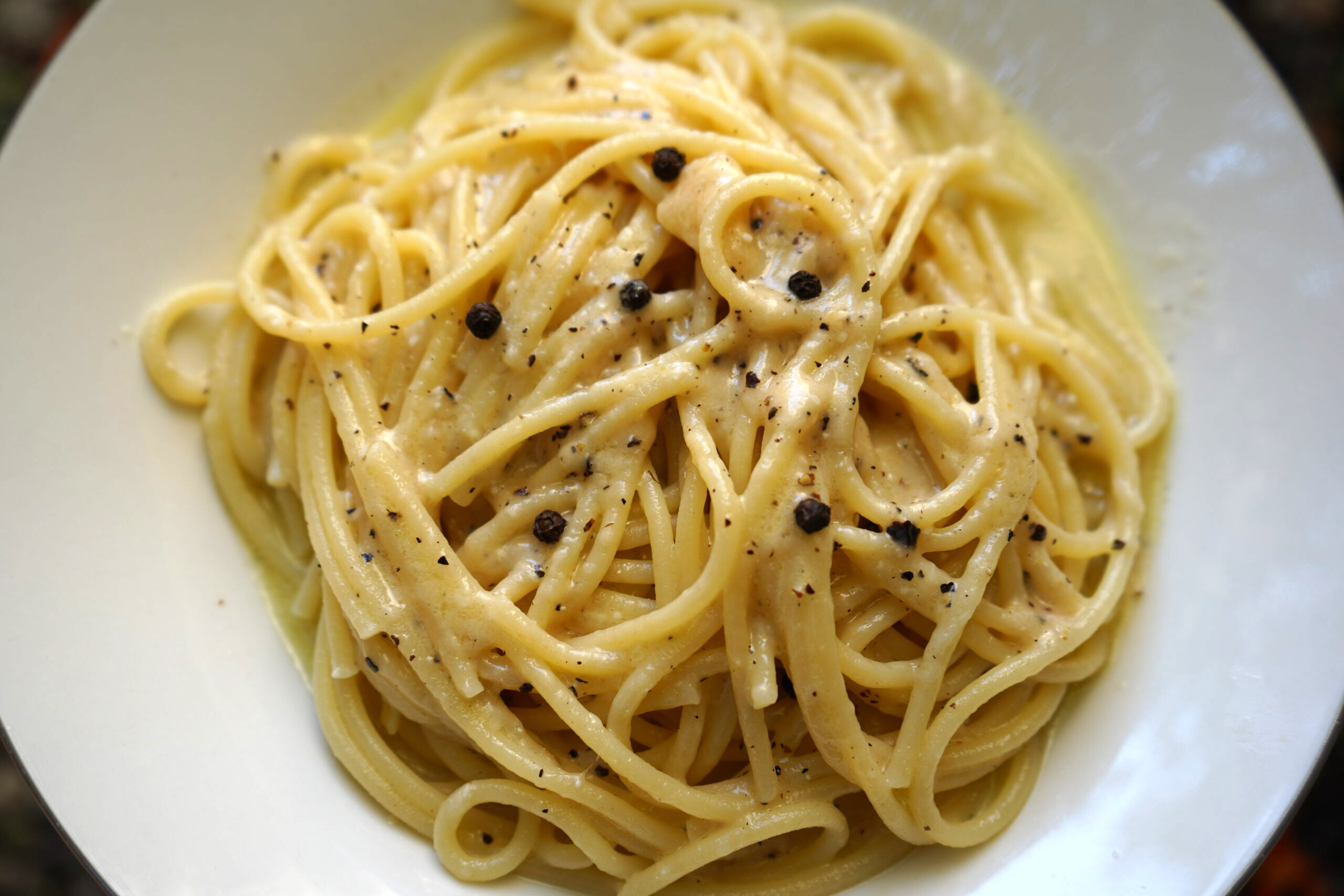
Cacio e Pepe
Ingredients
Equipment
Method
- Bring a large pot of water to a boil. Add a small amount of salt (less than usual, since Pecorino is very salty). Cook the pasta until just al dente, reserving about 1 ½ cups of the starchy pasta water before draining.
- In a large skillet, add the freshly ground black pepper. Toast over medium heat for 30–60 seconds until fragrant. Ladle in a small amount of the reserved pasta water (about ½ cup) and simmer to form a peppery broth.
- In a mixing bowl, combine the grated Pecorino with a splash of hot pasta water. Stir quickly until it forms a thick, creamy paste (not stringy). Add more water as needed to keep it smooth — this prevents clumping later.
- Transfer the drained pasta directly into the pan with pepper broth. Toss to coat. Remove from heat, then gradually add the Pecorino cream, tossing quickly and continuously. Add splashes of pasta water as needed to create a silky sauce that clings to the pasta strands.
- Plate the pasta while it’s hot and glossy. Finish with an extra sprinkle of Pecorino and more cracked black pepper.
Notes
- Use only Pecorino Romano DOP — its sharp, salty flavor defines the dish. Avoid pre-grated cheese; it doesn’t melt well.
- The key is emulsification — cheese and water must combine off the heat. Too much heat makes the cheese seize and clump.
- Freshly cracked black pepper (not pre-ground) is essential for the fragrance.