How to Make Lemon Chicken Piccata: Quick, Easy, Restaurant-Quality
Some dishes just taste like sunshine, and lemon chicken piccata is one of them. The first time I made it, I couldn’t believe how quickly a handful of simple ingredients — lemon, butter, capers, chicken — could create something so elegant. The sauce was bright and tangy, the chicken tender and golden, and the briny capers added just the right punch. It felt like a little trattoria had somehow opened in my kitchen, no passport required. There’s something about the way this dish transforms an ordinary evening into something special that makes it unforgettable. It’s proof that cooking doesn’t have to be complicated to be extraordinary.
The First Time I Made It
I didn’t discover lemon chicken piccata on a trip abroad or tucked into the corner of an old recipe book passed down through generations. I discovered it the way many Italian-American classics were discovered — in the everyday rhythm of making dinner, in the trial-and-error of kitchen experiments that turn into rituals. It was what I call a “fault recipe,” one of those times you grab a few ingredients almost without thinking, not expecting much, only to realize you’ve stumbled onto something that feels timeless. I wasn’t planning for magic. I was just making dinner. But the pan had other plans.
I remember dredging the chicken in flour and watching the oil shimmer in the skillet. The sound of the first cutlet hitting the pan was sharp, a quick sizzle that told me the temperature was just right. The air began to change almost immediately, filling with the toasty aroma of flour browning in butter. Even before the sauce appeared, I could feel something happening, like the recipe was whispering: pay attention, this one matters.
Then came the lemon. I sliced into it, and the citrus oils burst into the air, bright and sharp, as if sunshine had been bottled up in that fruit and was now being released into my kitchen. When the juice hit the hot pan, mingling with wine and a knob of butter, it sent up a fragrance that stopped me in my tracks. There was nothing fancy about it, no exotic ingredients or complicated steps, but the smell alone felt luxurious.
And when the capers went in, tiny green pearls tumbling into the sauce, they brought a salty, briny punch that tied everything together. It was like each ingredient had been waiting for the others, perfectly cast in their roles, ready to perform.
When I finally plated the dish, it wasn’t dressed up with delicate garnishes or complicated sides. Just golden chicken swimming in a glossy lemon-butter sauce, a wedge of lemon perched on the edge, and a loaf of bread on the table waiting to mop it all up. There was a quiet pride in placing that plate down, because it looked like something you’d find in a restaurant but had come straight out of my own kitchen. That was the night I realized how powerful simplicity can be, and why some recipes endure long after trends fade.
What struck me most about lemon chicken piccata was how quickly it slipped into my life, as if it had been there all along. It became the dish I leaned on when I needed something to brighten a gray day, the dish I turned to when friends came over and I wanted to make something impressive without fuss, the dish that reminded me, again and again, that good food doesn’t need to be complicated. Every time I made it, I found myself waiting for that moment when the sauce bubbled just right, glossy and golden, promising comfort. And every time, it delivered.
How Veal Became Chicken
Part of its charm, I think, is its Italian-American story. Piccata as a cooking method — dredging cutlets, quickly pan-searing them, and finishing with lemon and butter — is rooted in Italy, where veal piccata is the classic version. But when Italian immigrants came to America, veal wasn’t always easy to find or affordable. Chicken, on the other hand, was abundant, inexpensive, and perfect for adaptation. And so, in the kitchens of Italian-American families, lemon chicken piccata was born. It’s a story of practicality turned into tradition, of adaptation that somehow created something new and unforgettable.
That’s what I love most about dishes like this. They’re alive. They change with time, with families, with circumstances. What started as veal on the Italian table became chicken on the American one, and in the process, it became a staple of countless homes and restaurants. The version I made that night, the one that surprised me with its brightness and elegance, was part of that lineage — a dish that had traveled, evolved, and settled into my kitchen.
Over the years, lemon chicken piccata has become something more than a recipe to me. It’s become a marker of moments. I think of rainy evenings when the house felt heavy and the golden sauce brought lightness to the table. I think of summer nights when I wanted something easy but special, and there it was, ready in under thirty minutes, tasting like the season itself. I think of times with friends, when the pan went down in the middle of the table and everyone reached for bread to catch the sauce, each of us laughing and nudging for the last drops.
It’s funny how some dishes become memory-makers, not because they’re elaborate or ceremonial, but because they quietly show up again and again, turning ordinary evenings into something worth remembering. For me, lemon chicken piccata has done that more times than I can count. It has taught me that beauty can be simple, that food can feel luxurious without being fussy, and that sometimes the most memorable meals are the ones that happen without a plan.
The Importance of Lemons
Even now, every time I slice into a lemon, I feel a flicker of that first time — the brightness in the air, the sound of the sauce simmering, the way everything seemed to come together effortlessly. Every time I sprinkle in the capers, I think of how they transform the dish, adding that spark, that little bit of attitude, like punctuation in a sentence. And every time I set the plate down, golden cutlets bathed in sauce, I’m reminded that cooking isn’t just about feeding yourself. It’s about creating a moment, however small, that makes the day feel different.
That, to me, is the magic of lemon chicken piccata. It’s not tied to one country or one tradition. It’s Italian in its roots, American in its evolution, and personal in the way it lives in my kitchen. It’s a recipe that carries history and adaptation in every bite, but it’s also just dinner on a Tuesday night, made from ingredients you probably already have. And maybe that’s why it’s so beloved: it feels both ordinary and extraordinary at the same time.
Some meals taste like a memory, and this one always does. Not because it takes me back to some faraway place, but because it brings me right here, to my own table, again and again. It reminds me that food doesn’t have to be complicated to matter, that sometimes all you need is lemon, butter, capers, and chicken to create something unforgettable. And maybe the best meals really are the ones that taste like sunshine, even when the world outside is cloudy.
Variations of Lemon Chicken Piccata
One of the reasons lemon chicken piccata stays timeless is its flexibility. Here are a few popular variations:
- Veal Piccata – A more traditional Italian version made with thin veal cutlets.
- Gluten-Free Lemon Chicken Piccata – Swap the flour for almond flour or gluten-free flour blends.
- Creamy Piccata – Some cooks add a splash of cream for a richer sauce.
- Vegetarian Piccata – Made with cauliflower steaks, tofu, or eggplant in place of chicken.
- Seafood Piccata – A twist using shrimp, scallops, or even swordfish.
Each version keeps the signature flavors of lemon, butter, and capers.
What to Serve with Lemon Chicken Piccata
The beauty of lemon chicken piccata is that it pairs well with so many sides:
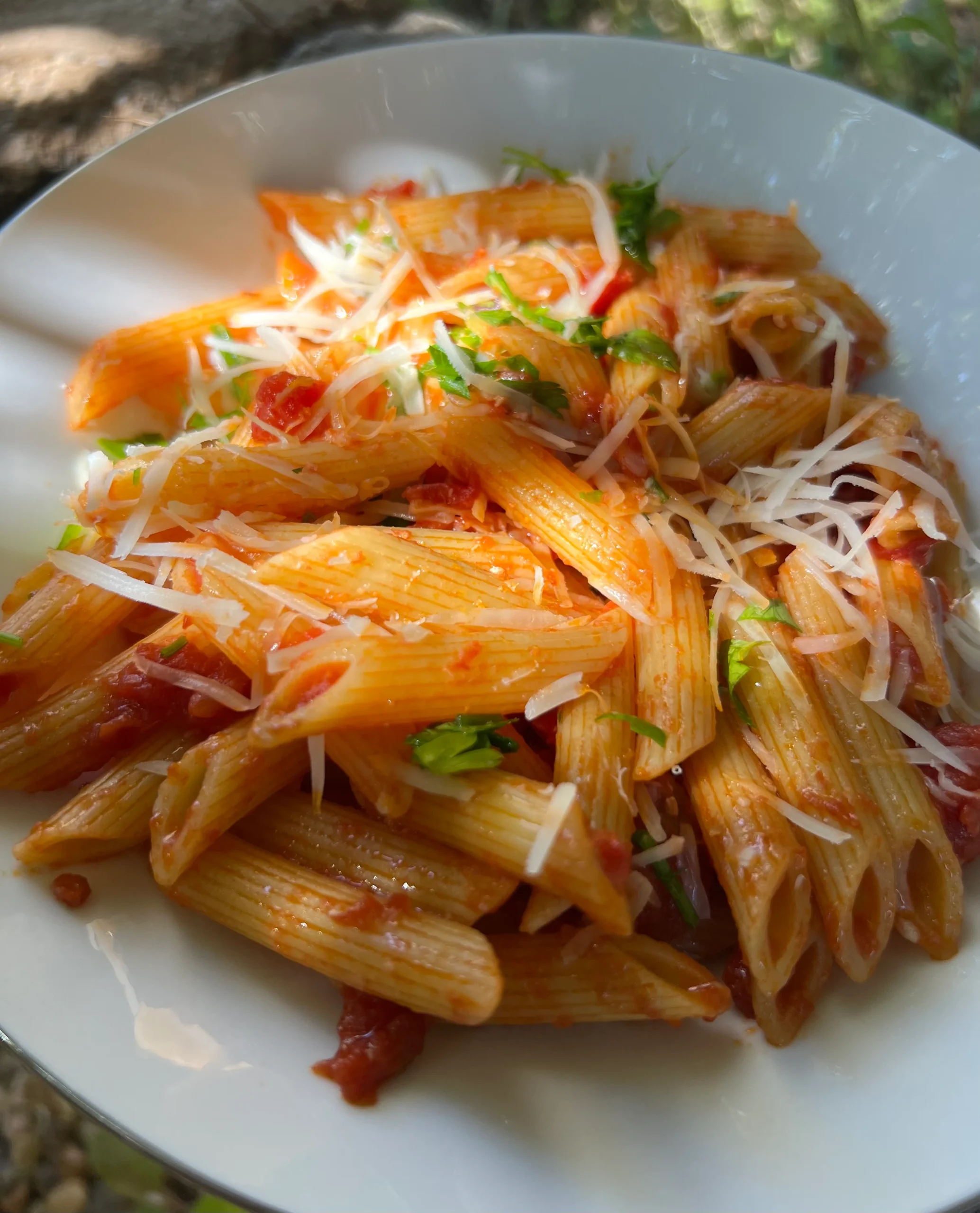
- Pasta – Angel hair, linguine, or spaghetti tossed lightly in olive oil.
- Potatoes – Roasted, mashed, or boiled baby potatoes.
- Vegetables – Steamed asparagus, sautéed spinach, or roasted zucchini.
- Salad – A crisp arugula salad with Parmesan shavings.
- Bread – Always crusty Italian bread for mopping up the sauce.
Wine Pairings
One of the delights of lemon chicken piccata is how beautifully it pairs with wine. The dish is light but flavorful, tangy yet buttery, with briny capers that add complexity. It’s a meal that begs for a glass of something crisp to lift the lemon, or something rounded to soften the edges of the sauce. Choosing the right wine can make the experience feel like a little celebration, even on an ordinary night.
Pinot Grigio is a classic choice, especially an Italian Pinot Grigio from the Veneto region. It’s crisp, clean, and refreshing, with citrus notes that echo the lemon in the dish. A sip between bites feels seamless, almost like an extension of the sauce itself.
Sauvignon Blanc brings a more herbal quality to the table. With its grassy, green notes and bright acidity, it balances the richness of the butter and cuts through the saltiness of the capers. A Sauvignon Blanc from New Zealand will have more tropical fruit, while one from France’s Loire Valley offers a sharper, mineral-driven flavor that mirrors the simplicity of the dish.
If you prefer something a little fuller, Chardonnay is a wonderful match. The key is to choose a lightly oaked Chardonnay — something creamy but not overpowering. It blends with the buttery texture of the sauce and gives the whole meal a rounder, more indulgent feel. California Chardonnays can work beautifully if they’re not too heavy, while a Chablis from Burgundy offers elegance and restraint.
Vermentino is another excellent option, especially if you want to keep the pairing Mediterranean. This Italian white wine, often found in Sardinia or Liguria, has a delicate balance of citrus, herbs, and minerality. It feels like sunshine in a glass — the perfect partner for the bright flavors of lemon chicken piccata.
For those who enjoy something sparkling, Prosecco can also be a playful pairing. Its bubbles keep the palate refreshed, and its light fruitiness makes every bite feel lively. Prosecco turns the dish into something celebratory, perfect for dinners that deserve a little extra sparkle.
And though white wine is the natural go-to, you don’t have to rule out reds completely. A Pinot Noir with light body and soft tannins can work, especially if you’re serving the chicken with roasted vegetables or potatoes. Its cherry and earthy notes add warmth without overwhelming the lemon. It’s a surprising pairing, but one that works if you prefer red.
The truth is, lemon chicken piccata is forgiving. Its balance of brightness and richness allows for flexibility. Whether you pour a crisp white, a sparkling glass, or even a gentle red, the dish adapts. The important part isn’t following rules — it’s choosing a wine that makes the meal feel like the kind of evening you want to have, whether that’s a quiet weeknight dinner or a festive gathering with friends.
FAQs about Lemon Chicken Piccata
Is lemon chicken piccata really Italian?
Yes and no. In Italy, the traditional version of this dish is usually veal piccata, especially in the northern regions. Veal cutlets are pounded thin, lightly dredged in flour, and cooked in a lemon-butter sauce with capers. When Italian immigrants brought the recipe to the United States, veal wasn’t always easy to find or affordable, so many families swapped it for chicken. That’s how lemon chicken piccata became the beloved Italian-American classic we know today. So while it may not be as “old-world Italian” as veal, it’s still deeply rooted in Italian cooking traditions.
What does lemon chicken piccata taste like?
It’s bright, tangy, and buttery all at once. The lemon gives the sauce a fresh, zesty kick, while the butter adds richness. Capers bring briny, salty bursts that keep the dish from feeling heavy. The chicken is golden and tender, serving as the perfect canvas for the sauce. Many people describe lemon chicken piccata as refreshing yet comforting — a rare combination that makes it appealing year-round.
Can I make lemon chicken piccata ahead of time?
Yes, but with a caveat. Lemon chicken piccata tastes best when it’s freshly cooked because the sauce is silky and glossy straight from the pan. However, if you want to make it ahead, you can cook the chicken cutlets in advance and store them in the fridge. Then, when you’re ready to serve, quickly reheat the chicken in a freshly made sauce. This way, you still get that vibrant lemon flavor and buttery texture without sacrificing freshness.
What can I substitute for capers in lemon chicken piccata?
Capers are traditional, but not everyone keeps them on hand. If you don’t have capers, you can substitute with:
- Chopped green olives for a briny flavor
- Pickled onions for a tangy twist
- A splash of anchovy paste for umami depth
- Or even chopped dill pickles in a pinch
That said, if you want the true character of lemon chicken piccata, capers are worth tracking down. They’re tiny but mighty, and their flavor makes a big difference.
Can I make lemon chicken piccata gluten-free?
Absolutely. Instead of dredging the chicken in regular flour, you can use almond flour, gluten-free all-purpose flour, or even cornstarch. The key is creating that light coating that helps the chicken brown and also gives the sauce something to cling to. Gluten-free versions of lemon chicken piccata taste just as delicious, especially when paired with naturally gluten-free sides like roasted potatoes or sautéed vegetables.
Can I make lemon chicken piccata dairy-free?
Yes. Traditionally, butter is a key ingredient, but you can easily swap it for high-quality olive oil or a dairy-free butter alternative. Olive oil gives the dish a slightly different flavor profile — more earthy than rich — but it still pairs beautifully with lemon and capers. A drizzle of extra-virgin olive oil at the end can also help mimic that glossy finish you’d normally get from butter.
What should I serve with lemon chicken piccata?
The most popular pairings are pasta, roasted potatoes, or simple greens. Angel hair pasta tossed with olive oil is a classic choice because it soaks up the sauce beautifully. If you prefer a lighter meal, steamed asparagus or a crisp arugula salad is perfect. Crusty bread, of course, is non-negotiable — it’s the best way to mop up every last drop of that lemon-butter sauce.
What wine pairs best with lemon chicken piccata?
Because lemon chicken piccata has a tangy, citrusy sauce, it pairs best with crisp white wines. Try Pinot Grigio, Sauvignon Blanc, or an unoaked Chardonnay. If you’re in the mood for something Italian, Vermentino is an excellent choice. Its bright acidity and subtle herbal notes echo the freshness of the lemon and capers.
Can I make lemon chicken piccata with thighs instead of breasts?
Yes, chicken thighs work beautifully. They’re juicier and more forgiving than chicken breasts, which means they’re less likely to dry out. If you prefer a richer cut of meat, boneless, skinless chicken thighs are a great substitute. Just be sure to pound them to an even thickness so they cook evenly.
Why is my lemon chicken piccata sauce bitter?
This usually happens when bottled lemon juice is used instead of fresh. Bottled juice often has preservatives that dull the flavor and add bitterness. Another culprit can be overcooking the lemon in the sauce — simmering it too long can make the flavor harsh. The solution? Always use fresh lemon juice and add it toward the end for the brightest, cleanest flavor.
How long does lemon chicken piccata last in the fridge?
Stored in an airtight container, lemon chicken piccata will last 3–4 days in the refrigerator. The sauce may thicken slightly as it chills, but you can revive it by reheating gently on the stove with a splash of chicken broth or water. For best results, keep the chicken and sauce separate until reheating so the chicken doesn’t get soggy.
Can I freeze lemon chicken piccata?
It’s possible, but not ideal. Freezing can change the texture of both the chicken and the sauce, especially since butter and lemon don’t always freeze well together. If you must freeze it, store the chicken and sauce separately, then thaw in the fridge overnight and reheat gently on the stove. Still, fresh lemon chicken piccata is far superior in taste and texture.
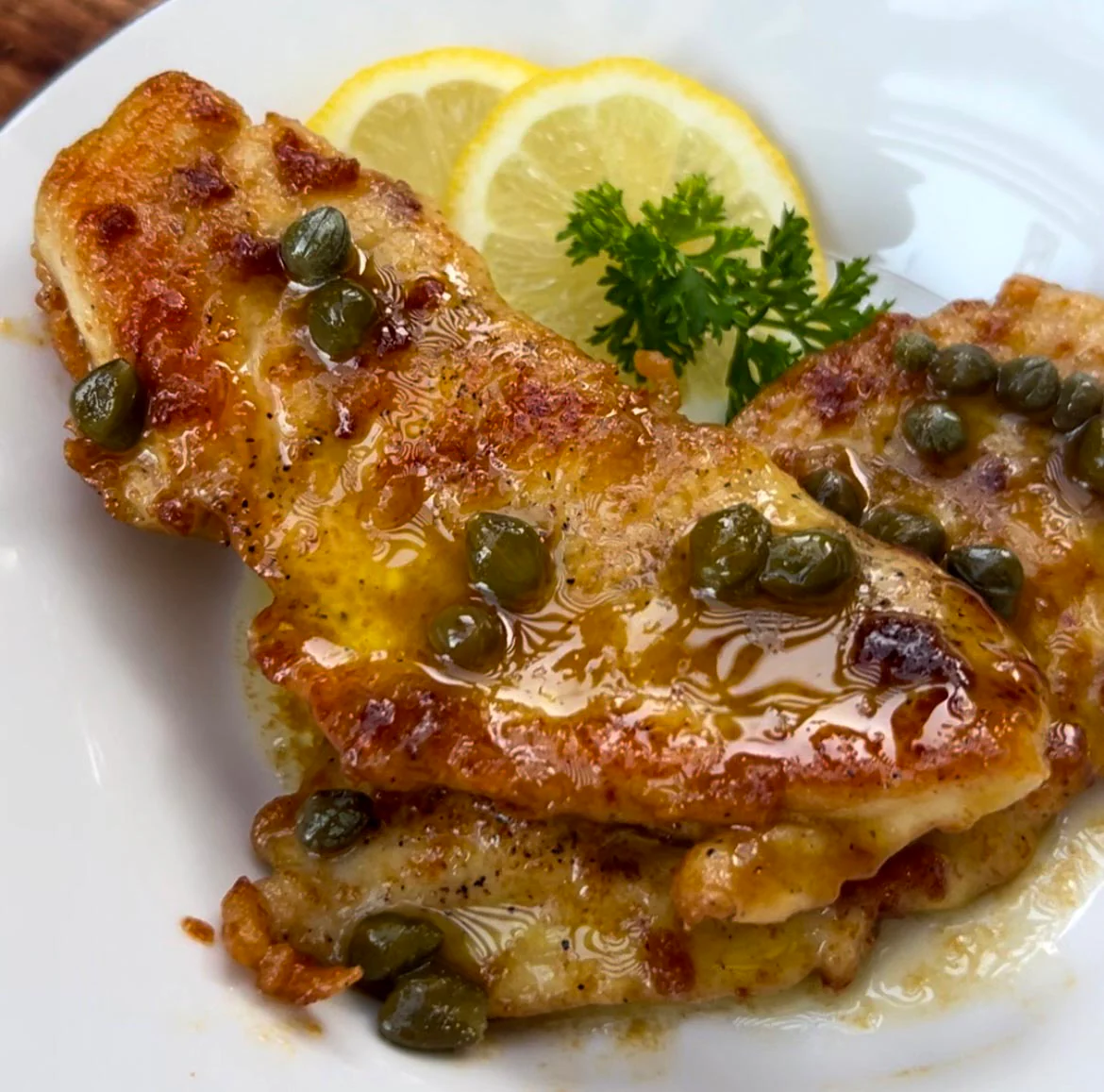
Lemon Chicken Piccata
Ingredients
Method
- Place chicken cutlets between parchment or plastic wrap. Pound lightly with a meat mallet or rolling pin until about ½-inch thick.
- Season flour with salt and pepper. Dredge chicken lightly in the flour, shaking off excess.
- Sear the chicken
- Heat olive oil and 2 tbsp butter in a large skillet over medium-high heat.
- Add chicken and cook 3–4 minutes per side until golden and cooked through. Remove to a plate.
- In the same skillet, add garlic and sauté 30 seconds.
- Deglaze with white wine (or broth), scraping up any browned bits. Let it simmer until reduced by half, about 2–3 minutes.
- Add chicken broth, lemon juice, and capers. Simmer another 2 minutes.
- Return chicken to the pan and spoon sauce over it. Simmer gently 2 minutes so flavors combine.
- Remove from heat and stir in the remaining 1 tbsp butter for a silky finish.
- Garnish with fresh parsley and lemon slices.
Notes
- Pair with angel hair pasta, garlic roasted potatoes, or sautéed spinach.
- A crisp Pinot Grigio or Sauvignon Blanc complements the lemony sauce.